

About
Huia’s Mission and Vision
Mission
Huia activates a new framework of nonviolent ideology and mutual recognition of identities to empower grassroots Palestinian leaders and transform Palestinian, Israeli, and global engagement in this crisis to be pro-solution
Vision
Huia envisions life for the Palestinian and Israeli people—dignified peace, security, mutual recognition, and belonging to our shared land.

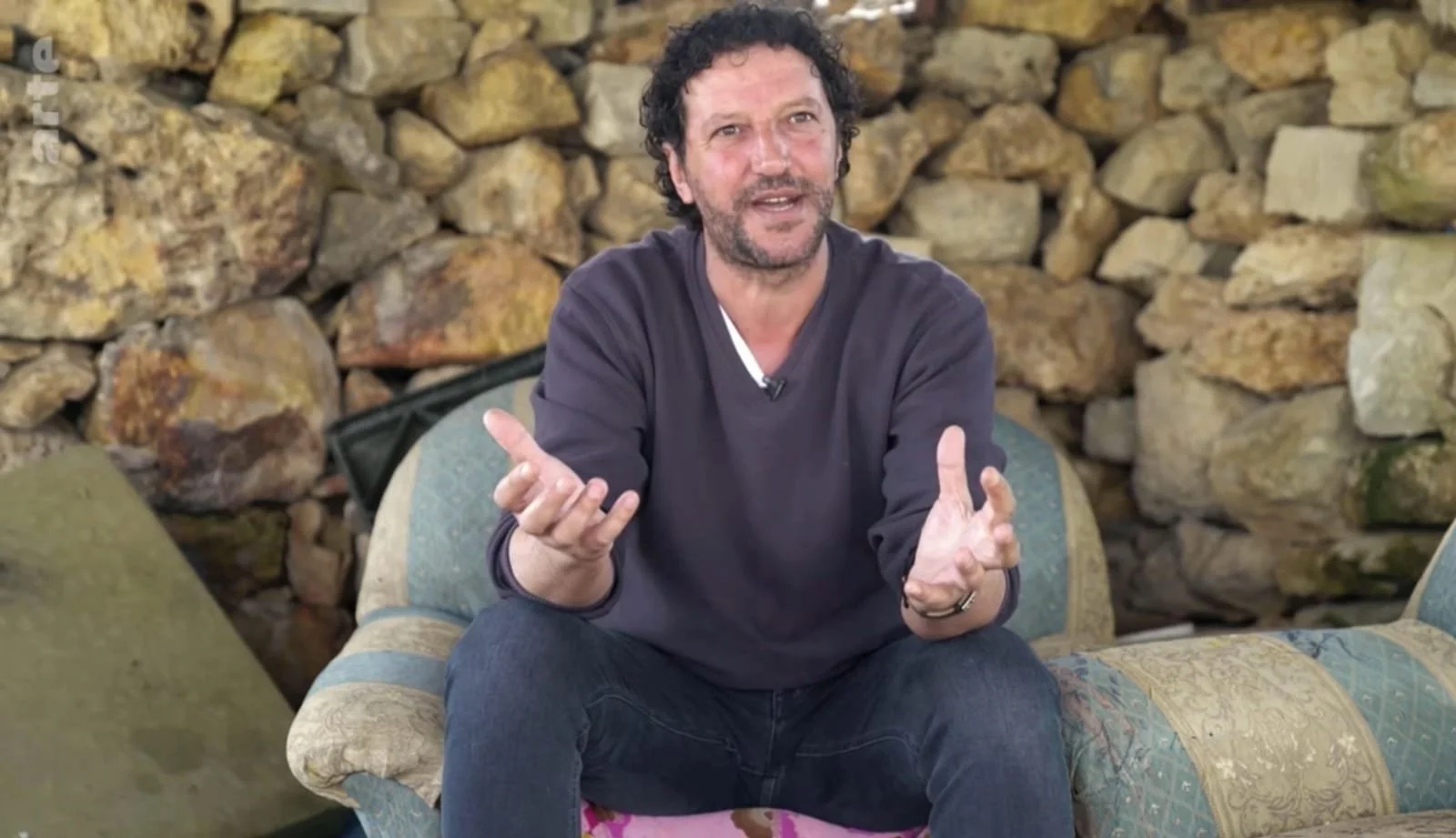


Ali Abu Awwad
Ali Abu Awwad is a former prisoner of Israel from Palestine whose work now focuses on nonviolence as the only path to freedom for both the Palestinian and Israeli people.
In 2023, Ali received both the Indira Gandhi Prize for Peace, Disarmament and Development and the Luxembourg Peace Prize for his efforts in uniting Palestinians and Israelis to promote peace and a nonviolent solution to the conflict.
Ali’s Story
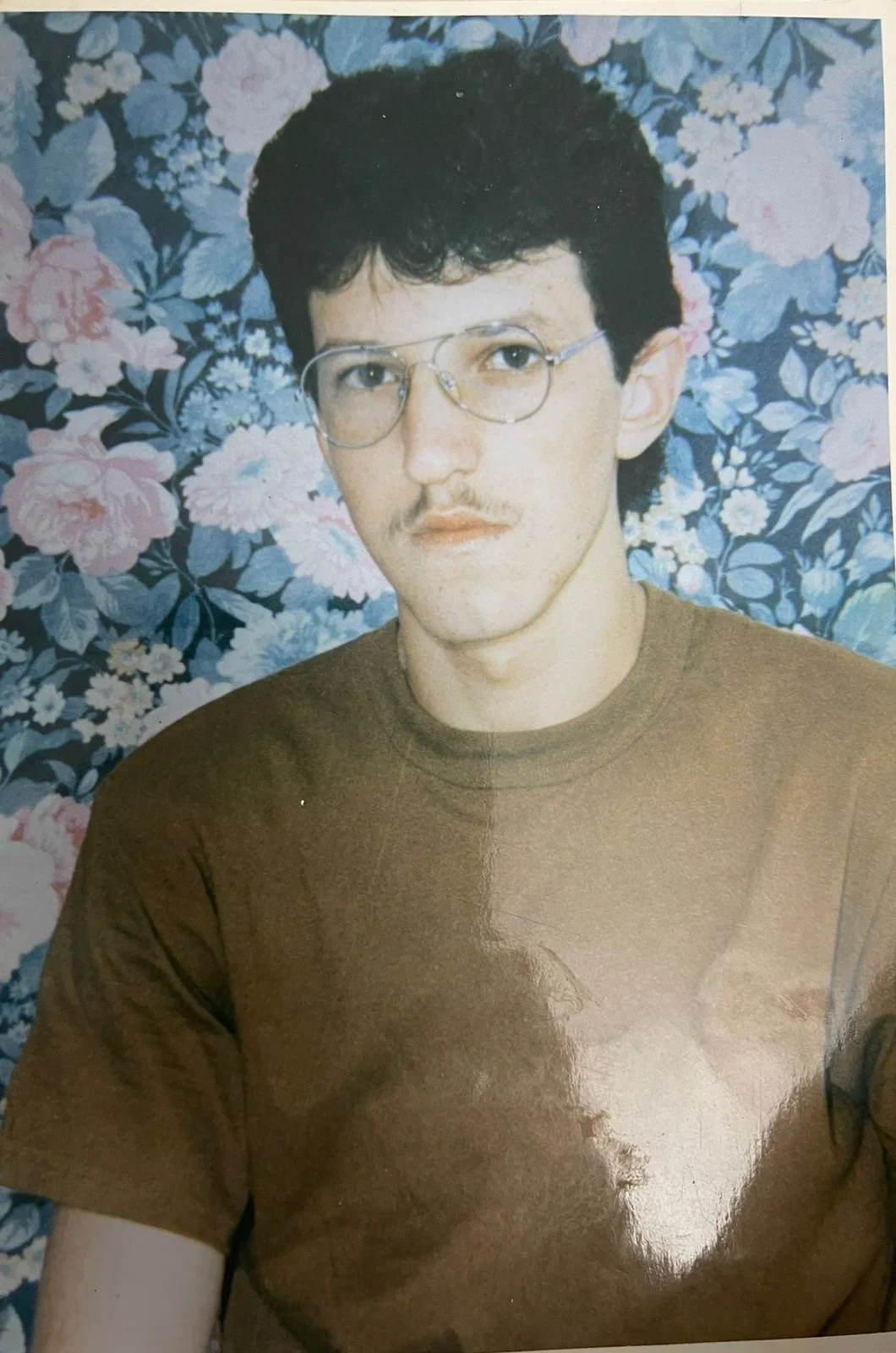
Ali in prison, 1992
Ali’s Origins: Life Under Occupation
Ali Abu Awwad was raised in a politically-active refugee family in the West Bank. His mother, Fatma, served as a regional leader with the Palestine Liberation Organization working closely with Yasser Arafat. As a young child, Ali witnessed Israeli agents beat and humiliate his mother for her political activism. This suppression, and the experience of daily life and unequal living conditions under Israeli occupation, activated Ali’s resistance. During the First Intifada, Ali was arrested by Israel for his role in the resistance and for refusing to supply information against his mother, who had also been arrested.
From Militance to Nonviolence
For three years, Ali and his mother were held in separate Israeli prisons and were not permitted to see one another. Eventually, Ali and his mother initiated a hunger strike lasting 17 days in an effort to visit each other while imprisoned, which prison authorities ultimately granted. The success of the hunger strike was a turning point for Ali. He saw how nonviolent action could be a better, more effective way to fight for his rights; that his humanity, which is ultimately reflected in his enemy, is a more powerful weapon than violence.
In 1993, Ali was released from prison by way of the Oslo Accords. He began serving in the newly-created Palestinian Authority (PA) security forces. Ali quickly became disillusioned with the political process; he was forced to arrest his fellow Palestinians for their continued resistance of Israeli occupation, even when the occupation blocked the PA’s ability to guarantee Palestinians’ rights of citizenship. Four years later, Ali resigned from the PA security forces.
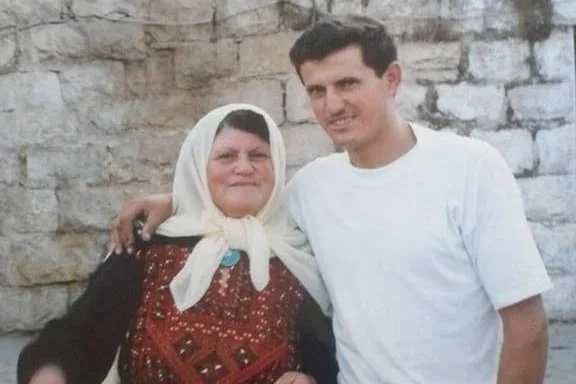
Ali’s mother, Fatma, and brother, Yousef.
In 2000, during the Second Intifada, Ali was shot by an Israeli settler while he was changing a tire on the side of the road in the West Bank. While in Saudi Arabia for treatment, he learned an Israeli soldier had murdered his brother, Youssef, shooting him at point-blank range at the entrance to his hometown, Beit Ummar, in the West Bank. It was after this loss that Ali’s mother began inviting bereaved Israeli families into their home through the Parents Circle - Family Forum, a joint organization of Palestinians and Israelis who have lost an immediate family member in the ongoing conflict. There had been enough bloodshed, Ali’s mother realized; she wanted to save her other children. These meetings changed the trajectory of Ali’s life.
Building Bridges for a Path Forward
From 2002-2009, Ali toured the world as the Palestinian spokesperson for the Parents Circle — Families Forum. Together with Robi Damelin—an Israeli Jewish woman whose son was killed by a Palestinian sniper—they shared the mutual grief and understanding built between Palestinians and Israelis who have lost loved ones to the conflict. Ali’s life and work were featured during that time in two award-winning films, Encounter Point and Forbidden Childhood.
In 2013, Ali began developing the Palestinian Karama (Dignity) Nonviolence Center on his family-owned land near the Gush Etzion junction in Area C of the West Bank. At the start of 2014, he co-founded a Palestinian-Israeli initiative called Roots, a dialogue-based initiative promoting understanding, nonviolence, and transformation. After this journey of trying to bring together Palestinians and Israelis in conversation for transformation, Ali concluded that nonviolence should be adopted by his own society as the carrier to their freedom without relying on Israeli partners.
Seeking Solutions & Self-Determination
By 2016, Ali had fully focused his activism efforts on developing a mass grassroots movement of Palestinians organizing within their own communities to take nonviolent responsibility for self-development and forging a path to end the occupation. That movement, Taghyeer, is dedicated to fostering Palestinian national nonviolent identity in action, through which communities, leaders, and organizations come together to address social development needs to support and achieve self-determination. The movement was launched by more than 3,000 Palestinians across the West Bank gathering in Jericho in September 2016. Today, Taghyeer’s work on the ground continues with nonviolence labs in schools for children, leadership development programs for women, community development, and humanitarian aid.
In 2025, Ali founded Huia (Identity) to more broadly share his life’s experience, nonviolence ideology, and core principles for peace.